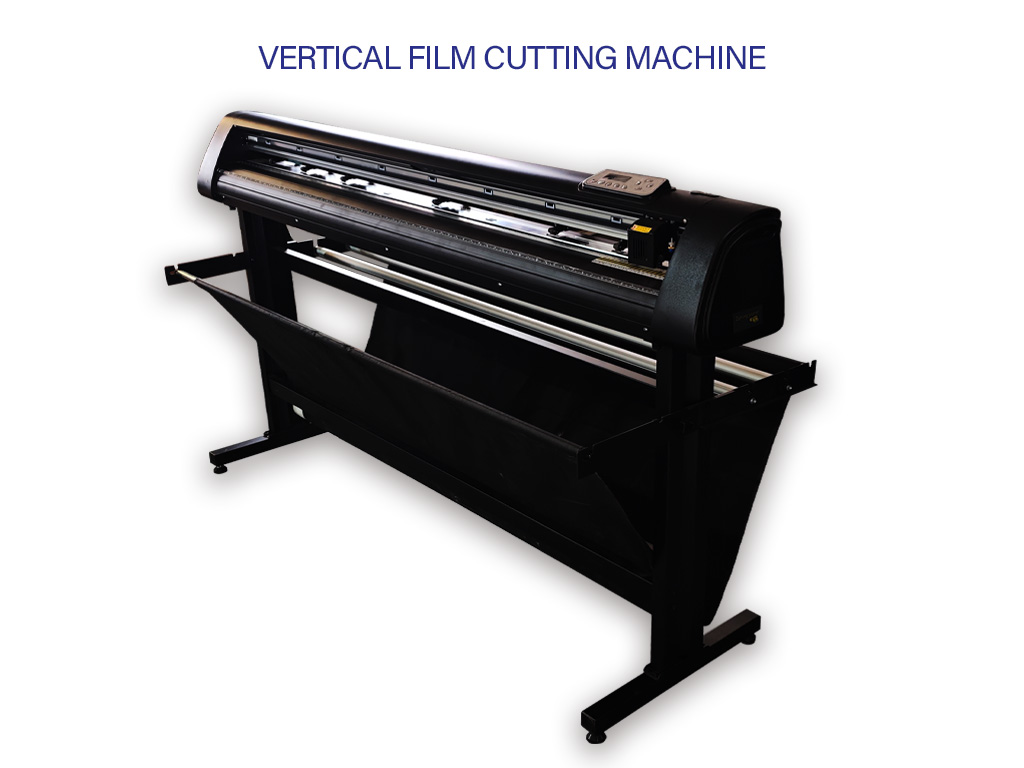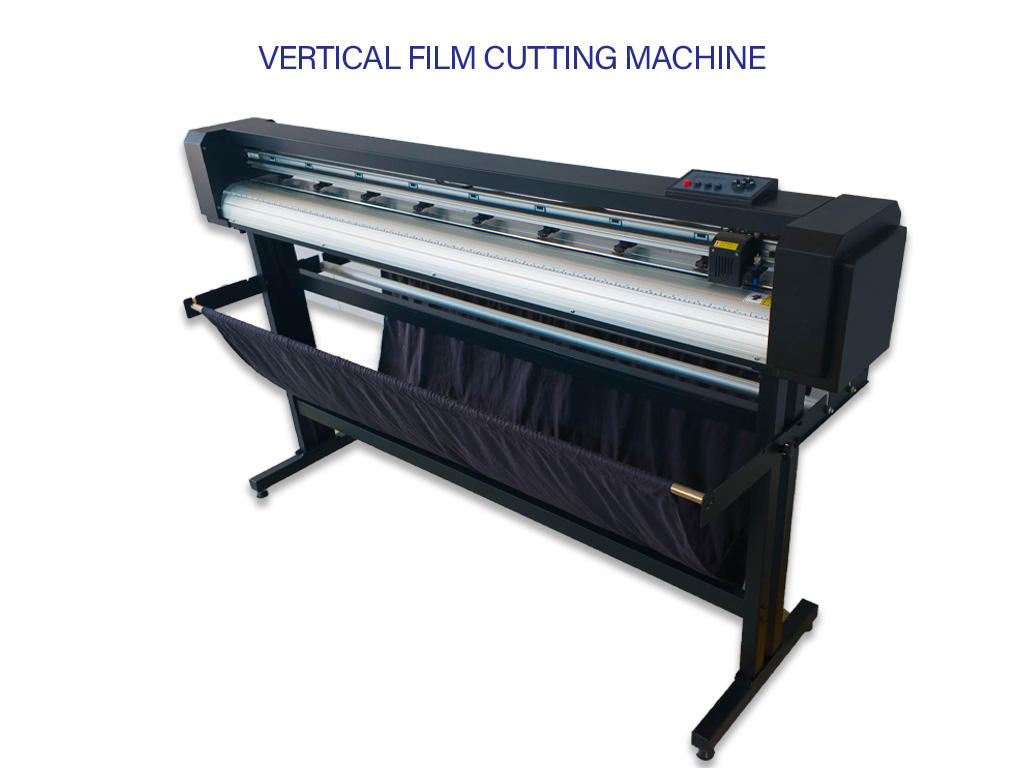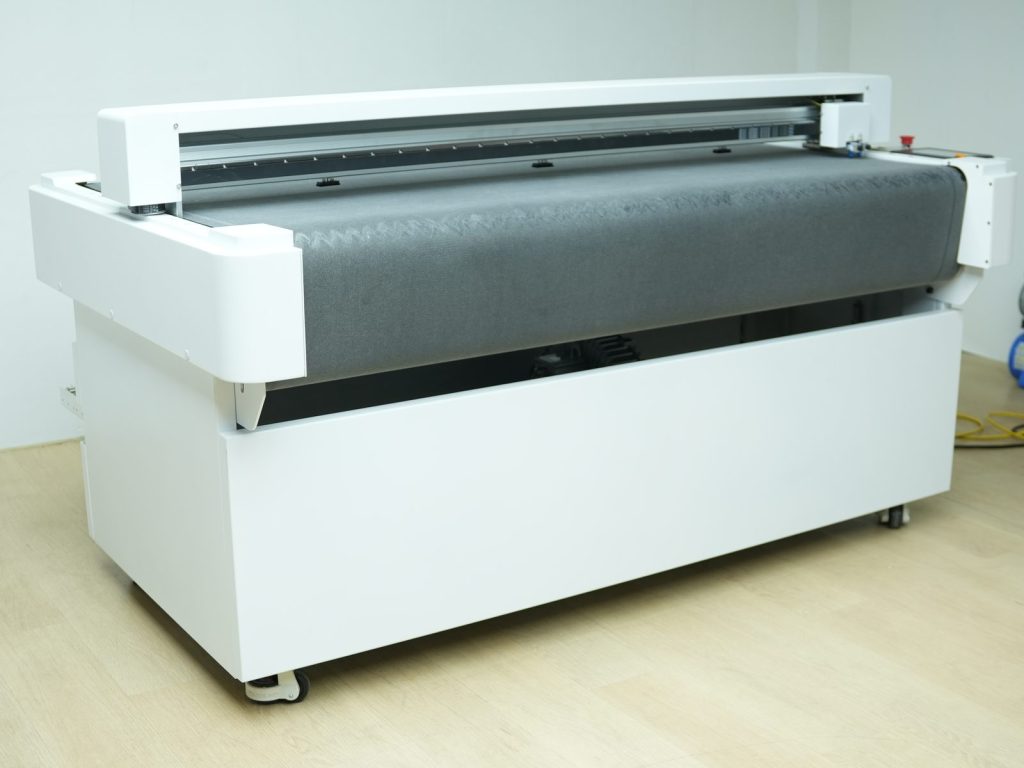
Yes. A ZhiTu flatbed or vertical film cutter can be delivered and installed in a normal wrap shop without a forklift, crane, or loading dock. The machine frame separates for delivery, a design ZhiTu calls Split Body, which lets the sections travel up stairs and through standard doorways and be reassembled on site.
Why loading-dock access is the hidden blocker for wrap-shop equipment purchases
Most film cutters ship as one welded frame. That works fine for a ground-floor warehouse with a dock and a forklift, but a lot of wrap shops are not built that way. Second-floor units, strip-mall storefronts, and shared industrial parks often have a single glass door, a narrow stairwell, or an elevator sized for people, not pallets.
Buyers in these locations either pay for a crane rental and a wall opening, or they rule out equipment they otherwise want. That access problem is separate from the machine’s specs, but it decides whether the purchase happens at all.
How Split Body construction breaks the machine into manageable sections
Split Body means the machine frame is built to come apart into sections for transport and go back together at the shop. Instead of one long gantry and base that needs a dock-height truck and a forklift, the unit travels as separate, carriable pieces sized for stairs and normal door openings.
This is a structural design choice, not a workaround. ZhiTu assembles frames, gantries, and cutting heads in-house, so the split points are engineered into the frame rather than cut into it after the fact.
What does a stairs-and-doorway install actually look like?
A typical Split Body install moves the machine in sections through a standard door, up a stairwell if needed, then reassembles and recalibrates the frame in place. The whole sequence avoids forklifts, cranes, and dock levelers at every step.
- Sections arrive crated at street level or the building entrance, sized to pass through a standard door.
- Each section is carried, not forklifted, through the doorway and up any stairs to the shop floor.
- The frame sections are reassembled and aligned at the final position.
- The cutting head and gantry are fitted and the machine is powered up.
- The unit is calibrated on site before it runs production jobs, following the same bench-tested settings applied before shipment.
Because ZhiTu already runs a full test cut and calibrates each cutting head on the bench before crating, the reassembly step is about restoring that same setup, not building it from scratch.
Which ZhiTu models use Split Body delivery?
Split Body delivery applies across ZhiTu’s cutting machine line, covering both the vertical format and the auto-feeding flatbed format. The right model for a given shop depends more on the cutting workflow than on delivery, since all of them are built to move without a forklift or dock.
The Z008 Ultra vertical film cutter holds the Z008’s 1660 mm feed width and 1540 mm cutting width but runs on an imported high-precision servo motor holding ±0.02 mm at 1200 mm/s, with eight pinch rollers and an all-metal anti-static housing for shops cutting all day. At 45.7 kg net and a footprint of 190 × 66 × 110 cm, it is the lighter of the two formats to move through a doorway.
The ZT1660 auto-feeding flatbed cutter is built around a 580 × 1550 mm vacuum bed with dual servo drive to 0.02 mm mechanical accuracy at up to 800 mm/s, a dual-knife head that switches between drag and half-cut in under 15 seconds, and job-resume after a power drop. The ZT1612 auto-feeding flatbed cutter shares the same 580 × 1550 mm vacuum bed and dual-knife head design at 0.02 mm mechanical accuracy, with a 7-inch industrial touchscreen running the job. For a closer look at how the three differ on cutting workflow, see Choosing Between the Z008, Z008 Ultra, and ZT1660 Film Cutters.
What should buyers measure in their shop before ordering?
Before placing an order, measure the narrowest doorway on the delivery path, any stairwell turns, and elevator interior dimensions if the shop is not on the ground floor. Split Body sections are sized for standard doorways and stairs, but a shop’s tightest turn, not its widest hallway, determines whether delivery goes smoothly.
Walk the exact path the machine will travel, from the building entrance to the final install spot, and note every point where the path narrows: interior doors, stairwell landings, and elevator cab openings. Send those measurements along with the shop layout when requesting a quote, so the delivery plan is confirmed against the specific route rather than assumed.
FAQ
Does Split Body affect cutting accuracy after reassembly?
No. Each machine is measured and calibrated on the bench before shipment, and every cutting head runs a full test cut before crating. Reassembly on site restores that same calibrated setup rather than starting alignment from zero, which keeps the machine within its rated accuracy, such as the ZT1660’s 0.02 mm mechanical accuracy.
Do I need a technician on-site to reassemble the machine?
The sources describe remote video and onsite support options along with 3-Minute Online Support for questions during setup. For shops without in-house technical staff, remote guidance can walk through reassembly and calibration, with onsite support available as an option.
Does Split Body delivery limit which film types the machine can run once installed?
No. Delivery format does not change cutting capability. The ZT1660, for example, cuts soft materials up to 2 mm including reflective film, TPU paint protection film, colour-change, solar, electroplated, clear, pearlescent, printed, electro-metallic and brushed film, regardless of how it arrived at the shop.
To plan a stairs-or-doorway install, measure your shop’s delivery path and send the dimensions along with your production needs through the Z008 Ultra, ZT1660, or ZT1612 product page to confirm a Split Body delivery plan before ordering.